

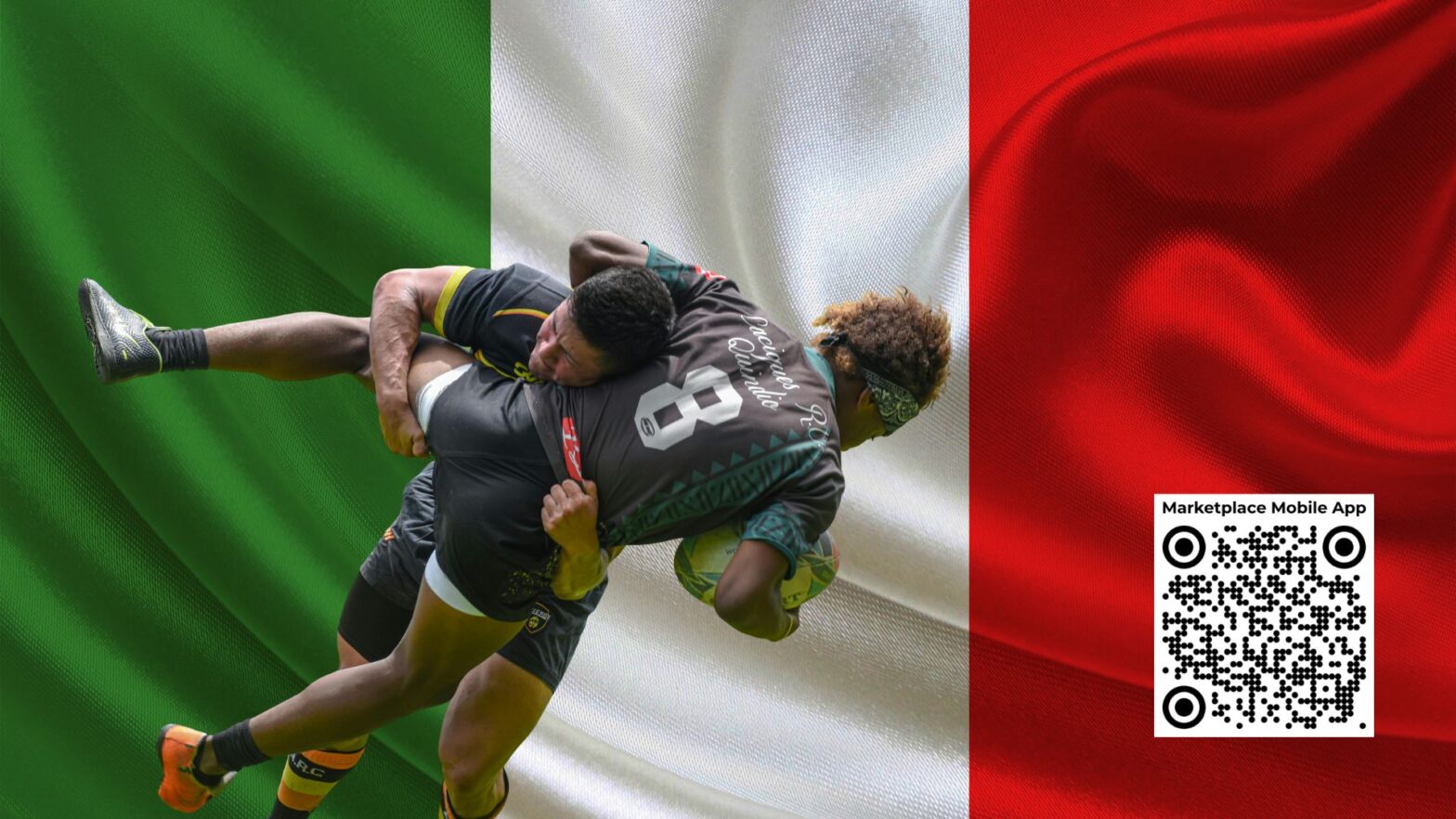
The clash of titans that’s the Men’s Six Nations continues in Rome on February 7th. There, Italy meet Scotland in a fitting arena, the Stadio Olimpico. Then the competition returns to Rome on 7th March for Round 4, with Italy v England. And Rome is tailor-made for fans who want the rugby plus a weekend in one of the world’s most captivating cities. Like most of Europe, Rome is not “cash only”, but espresso bars and fast counters reward having Euros in your pocket, so it’s worth planning ahead. Read on for some valuable practical tips.
Arriving in Italy: documentation and border procedure
For short trips, UK travellers remain visa-free for the Schengen area (up to 90 days in any 180-day period), but passport validity rules are strict. Passports must have been issued less than 10 years before the date of entry and be valid for at least three months after your planned departure date.
The other change is the Entry/Exit System (EES) which is now operational on 12th October 2025. It’s being rolled out gradually, with full operation expected by 10th April 2026. If this is your first post-rollout trip, build in extra time for biometric registration.
ETIAS (the European Travel Information and Authorisation System, the new online pre-screening requirement for visa-exempt travellers) is not expected to start until late in 2026. It shouldn’t interfere with travel for the Six Nations.
Both matches are at the Stadio Olimpico in the Foro Italico sports complex, north-west of the historic city centre. With crowds in the tens of thousands, a significant part of match day is logistics: moving, queueing, and buying on the go.
Match-day spend – a walkthrough
Morning coffee
Rome starts the day at the bar counter. A cappuccino will be around €1.90, so a couple of Euros in coins means you can pay quickly, even if your group is splitting orders.
Lunch and “one more stop”
An inexpensive meal will set you back about €15 per person, and 500ml of domestic beer around €4. These prices are indicative as prices on the day may vary because of the influx of rugby fans, and from area to area within the city. However, they should help you budget for the pattern of the day: a meal, a drink, and then repeated small spends (water, snacks, quick souvenirs) that arrive in €2 – €10 increments. A restaurant bill may include a small “coperto” cover charge, and tipping is usually just rounding up. If “servizio” (service charge at 10% – 15%) is itemised on the bill, then no tip is required. Otherwise, a cash tip of about 10% is appropriate.
Getting to the stadium
If you are using public transport, ATAC’s integrated time ticket (BIT) is valid for 100 minutes and costs €1.50. If you will travel a lot, time-based visitor tickets are €12.50 (Roma 48H) and €15.72 (Roma 72H), with the weekly CIS at €24. Machines and kiosks are widespread, but cash remains a useful back-up if you are buying on the move.
Pre-match, half-time, and post-match
Expect queues and a certain amount of banter. This is where a cash float pays off – especially if you want something quickly and do not want to hold up your group while a terminal retries.
Post-match, the “second spend” is real and potentially frenetic, and quite possibly expensive. A couple of drinks, maybe more, late food, and a taxi because everyone is tired. Budgets drift.
Taxis in Rome: what to expect
Rome’s taxi tariffs are published by the city’s mobility authority. The start fee is €3.00 on weekdays, €5.00 on Sundays/public holidays, and €6.50 at night (22:00–06:00). Meter rates vary by tariff band; for example, Tariff 1 is €1.10 per km and Tariff 2 is €1.30 per km. Luggage is usually €1.00 per item. In very slow traffic, an hourly rate applies which can be the same as the cost of waiting, €27.00 per hour. Taxi drivers in Rome have a reputation for getting the most out of their rides, so it’s worth using only the white licenced taxis and agreeing the fare beforehand. There’s useful advice in the website, Rome.net, listed below.
How much cash is sensible for Six Nations 2026 Rome?
Think “float”, rather than “budget”. A workable approach is €50 – €60 for a day in the city, €100 – €150 for match day plus one extra day, and €150 – €200 for a two-night weekend. Split it between two pockets. That is designed to cover coffee culture, small tips, travel in the city, market purchases and contingencies – while keeping hotels and major meals on a card.
Where Money4Travel fits the bill
If you set that float in advance, you can avoid the poor exchange rates that often appear at airports and transport hubs. Money4Travel lets you order Euros online and collect locally in the UK, so you arrive with small denominations ready for Rome’s everyday spending patterns.
For repeat travellers, their Pips loyalty points and the buy-back guarantee reduce the friction of leftover cash. And using Money4 Travel is convenient. As well as being online, it guarantees the best exchange rates within a ten-minute drive of your postcode. Genuine value is part of the promise.
Six Nations 2026 Rome, a checklist
- Carry €40 – €50 in small notes for cafés, quick snacks and tips.
- Keep some larger notes separate as a taxi back-up.
- Buy transport tickets with a plan; it reduces ad-hoc spending.
- Add extra time on arrival in Italy if this is your first post-EES trip.
The combination of Rome and Rugby can be magical. And you’ll get the best out of your trip if you plan ahead. Spending on big ticket items is easy with a card, but cash will help the day run smoothly. Take both, and you’ll be properly prepared to enjoy yourself.
By Declan Morton, writer and editor at Money4Travel – the online service for foreign currency sales in the UK. More about the author.
For reference: Gov.UK, Travel Advice, Italy; Numbeo, Rome; Tipping in Italy (Carpe Diem Tours 2025); Rome.info, transport; Rome.net – transport tickets; Rome.net – taxis in Rome.
Every effort has been made to quote accurate prices. Those mentioned are correct at the time of publication. Prices may change without notice.

