

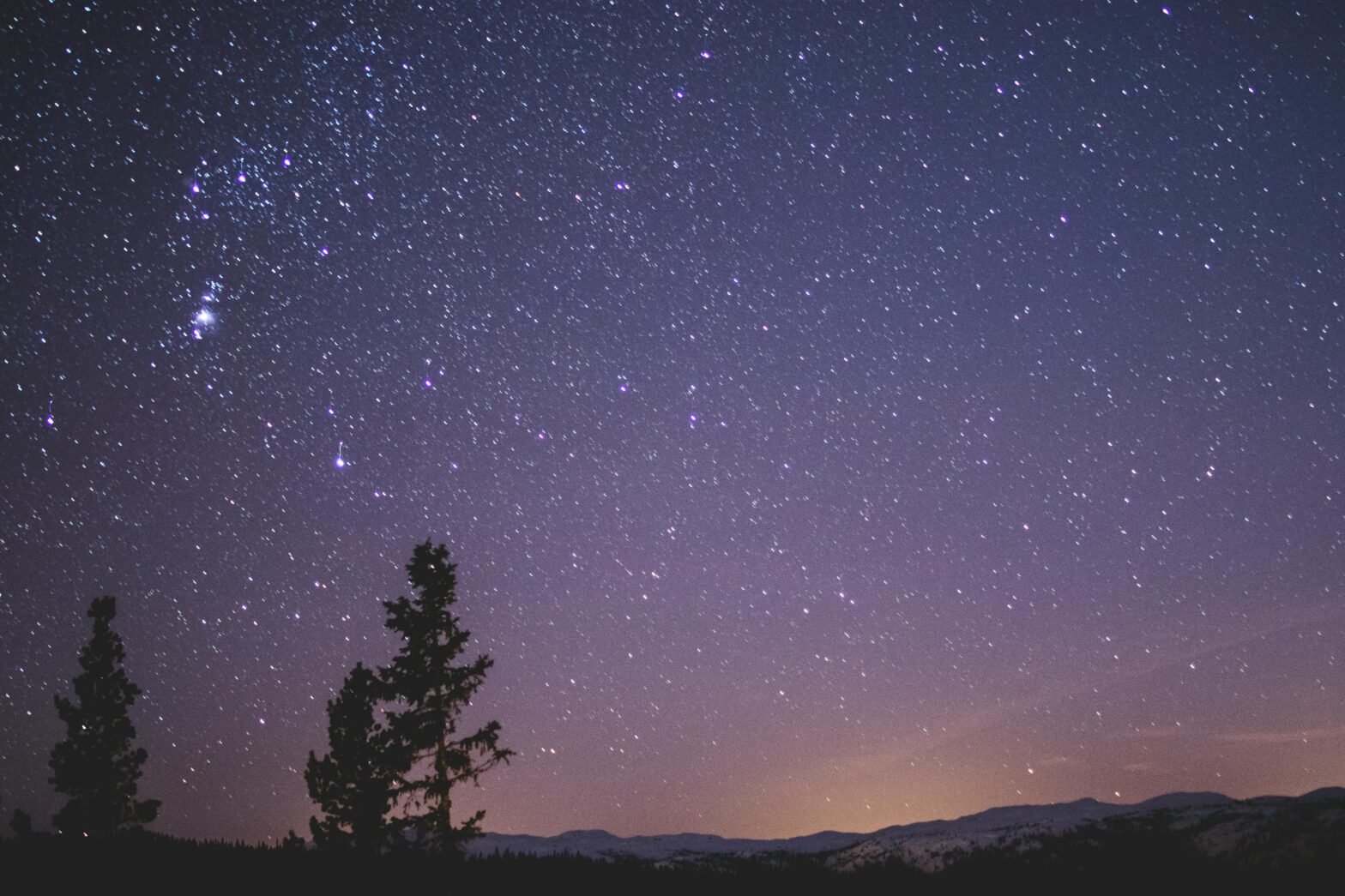
In the UK and elsewhere, 2024 and 2025 have seen some extraordinary displays of the Northern Lights – the Aurora Borealis. In May they were seen as far south as Cornwall and the Channel Islands. Combined with a growing awareness of light pollution, this has led to a steady growth of interest in dark skies and the wonder of space. Astro-tourism – star gazing in specific locations – was once the hobby of a tiny minority, Now it is emerging as a serious travel trend.
Why Astro-tourism?
Astro-tourism combines relaxation and education, allowing us to marvel at cosmic phenomena in pristine environments. Whether it’s spotting constellations, witnessing meteor showers, or observing aurora, there’s a deep appeal in the serenity and grandeur of unspoiled night skies. Light pollution affects over 80% of the global population, making dark-skies a luxury, and official dark sky reserves and other remote locations invaluable for these experiences. And we talk of “dark skies” but in reality they are anything but dark. Instead they are illuminated by countless points of light: stars and planets, and of course the occasional satellite.
More travellers are looking skyward. So, for those eager to trade city lights for starry nights, here is a guide to exploring the best destinations for stargazing and celestial events.
Top European destinations for dark skies and stargazers
La Palma, Canary Islands, Spain
Known as “La Isla Bonita,” La Palma boasts some of the clearest skies in Europe. Designated as a UNESCO Starlight Reserve, it is home to the Roque de los Muchachos Observatory. Tourists can book guided stargazing tours or visit designated viewpoints to admire constellations and celestial phenomena.
Abisko National Park, Sweden
Situated in Swedish Lapland, Abisko’s Aurora Sky Station provides unparalleled opportunities to see the Northern Lights. Thanks to its unique microclimate, the park enjoys clear skies throughout much of the year, making it a favorite among astro-tourists.
Inari, Finland
In Finland’s northern Lapland, the Inari-Saariselkä region is known for its indigenous Sami population and their cultural heritage, in which the stars feature strongly. It’s an area renowned for its auroras and clear skies. Stargazers can pair celestial observations with immersive Arctic activities like snowshoeing.
Pic du Midi, French Pyrenees
High-altitude stargazing awaits at the Pic du Midi Observatory in France. Visitors can stay overnight, explore interactive exhibits, and enjoy breathtaking views of the Milky Way from 2,877 meters above sea level.
Alqueva Dark Sky Reserve, Portugal
Located in the Alentejo region of central southern Portugal, this reserve offers an excellent stargazing experience with minimal light interference. Visitors can use telescopes provided at local accommodations or join organized tours to sites known locally for providing great views of the cosmos.
Thingvellir National Park, Iceland
A UNESCO World Heritage site, Thingvellir combines geological wonders with dark skies. Its proximity to Reykjavik makes it an accessible yet secluded spot for stargazing and aurora viewing.
Dark skies beyond europe: Middle East and North Africa Highlights
Wadi Rum, Jordan
Known as the Valley of the Moon, Wadi Rum offers an otherworldly landscape and crystal-clear night skies. Local Bedouin guides enhance the experience with stories of cultural and astronomical significance.
Sahara Desert, Morocco
The vast expanse of the Sahara provides unmatched opportunities for stargazing. Camps near the Merzouga dunes and Erg Chebbi offer telescope rentals and guided tours under unpolluted dark skies.
Planning your dark skies experience
Timing and Weather
The best time for stargazing depends on lunar cycles and seasonal weather patterns. A new moon provides the darkest skies, while cloudless conditions are ideal for the best visibility. For Northern Lights enthusiasts, September to April offers the best viewing opportunities.
Light Pollution
Seek destinations with minimal artificial light. Certified dark-sky reserves, such as those mentioned above, provide prime stargazing conditions.
Travel Operators Specializing in Astro-Tourism
A number of travel companies* now cater specifically to stargazers:
- Aurora Zone: Specializes in Northern Lights holidays across Scandinavia.
- Astro Trails: UK-based company providing astronomy-focused tours worldwide.
- Dark Sky Alqueva: Offers tailored stargazing experiences in Portugal’s Alqueva Reserve.
Practical Tips for Stargazers
- Equipment: While many locations provide telescopes, consider bringing binoculars or a personal telescope for added convenience.
- Dress Warmly: Many top destinations for astro-tourism are in colder climates; thermal clothing is a must.
- Photography: For those interested in astrophotography, a DSLR camera with manual settings is recommended, along with a sturdy tripod.
Astro-tourism provides a chance to connect with the universe while exploring stunning destinations. Whether gazing at the Milky Way over the Sahara or catching the Northern Lights in Sweden, these experiences offer a profound sense of wonder. For thousands of years the star-filled dark skies have been part of human heritage. It’s good to reconnect.
*The author has not travelled with the companies named here and therefore cannot specifically endorse them. Always undertake your own research before booking a holiday.
By Declan Morton, writer and editor at Essiell Ltd and Money4Travel.
More about the author.

