

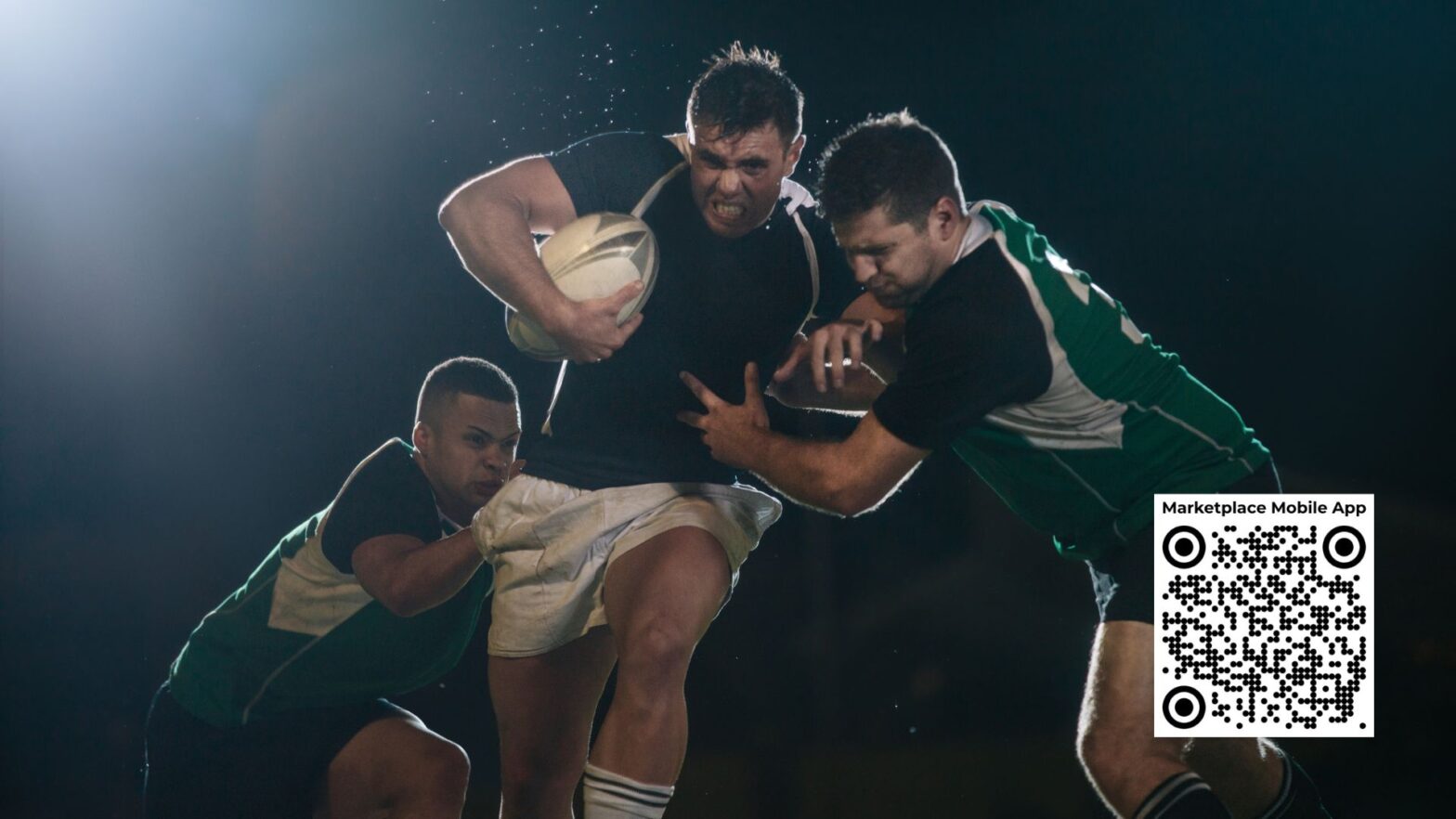
The Guinness Men’s Six Nations 2026 kicks off with the France v Ireland match, on Thursday 5th February in Paris. The French capital features again in Round 5 with England v France on Saturday 14th March.
As a location, the city has all the makings of a classic rugby city break. There’s a leisurely morning and maybe a long afternoon in cafés or a bar, then the surge north to the Stade de France. Then, win or lose, the post-match “refreshments.” Paris is card-friendly, but big matches create an anomaly: crowds and lots of small purchases can make cash quicker than tapping and waiting.
Why it feels “big”
This championship, now ingrained in the British psyche, began as the Home Nations in 1883 with just England, Ireland, Scotland, and Wales competing. France joined in 1910 and Italy became the sixth competitor in 2000. That history, including the transition to professional players, is part of the appeal. Even a short trip to one of the matches has the feeling of ritual.
Travel documentation and border procedures in 2026
UK travellers remain visa-free for short Schengen trips (up to 90 days in any 180-day period), but passport rules are strict. They must have been issued less than 10 years before the date of entry and valid for at least three months after your planned departure date. Be sure to check this carefully when planning your trip – the rules are applied to the letter.
The other practical change is the EU Entry/Exit System (EES). It became operational on 12th October 2025 and is being introduced gradually, with full operation expected by 10th April 2026. If you have not registered before, allow extra time for biometric capture of a facial image and fingerprints.
The European Travel Information and Authorisation System (ETIAS – the new online pre-screening requirement for visa-exempt travellers) is not expected to start until the last quarter of 2026. It shouldn’t be required for this spring’s Six Nations.
Stade de France and the Saint-Denis match-day
The Stade de France, in Saint-Denis just north of central Paris, is France’s largest stadium. Expect busy public transport, queues and security checks. The easiest approach is usually RER/Metro to Saint-Denis, then a short walk.
Inside the venue, merchandise and food & drink can be paid for by cash or bank card. For practical security reasons, mobile vendors take payment by card only. Outside the stadium both cash and card will be widely accepted too. However, some smaller independent kiosks and counters may still prefer cash – it’s often quicker and does away with relying on internet networks at busy times.
Everyday costs – indicators
Paris pricing varies by neighbourhood, and specific prices at major events are hard to predict. However, some real life benchmarks can be helpful. Numbeo, a crowd sourced database that includes cost of living, is worth a look. It puts a cappuccino around €4.33, an inexpensive meal around €15, a pint of domestic beer around €7, and a 0.33L cola around €3.73. One coffee, one quick meal and a drink or two can swallow €30–€50 before you count transport.
Tipping rarely involves a big percentage. In Paris, service is generally included (“service compris”), and tipping is often rounding up or leaving small change when service is good. That pushes you towards having notes in your wallet and a few coins too.
Six Nations 2026 Paris budget: a sensible Euro cash float
The aim is not to pay for the trip in cash, but it is worth carrying a “float” that removes friction at the moments where you want speed and flexibility.
Trip pattern |
Suggested cash float |
Typical uses |
| Day trip | €40 – €100 | cafés, snacks, quick tips/rounding, small contingencies |
| One night | €70 – €150 | the above plus a few extra drinks and late-night food |
| Two nights | €150 – €200 | repeated small spends, markets, souvenirs, taxi back-up |
If you do need to top up, use a bank ATM and decline dynamic currency conversion on the screen; it usually bakes in an avoidable margin.
Try to hold the float in a mix of denominations and include small notes. This is not automatically about carrying lots of money in cash but it is about having enough in easily accessible combinations.
Paris taxis and airport transfers: where budgets risk being ambushed
Taxi tariffs in France are regulated. Currently, there is a maximum pick-up charge of €4.48, and a minimum total fare of €8. The additional per-kilometre rate varies between €1.27 and €1.74, depending on the time of day and whether the journey is urban, suburban or beyond. Expect most taxi journeys to cost €10 – €12 or more.
Airport transfers are a bigger hit. Fixed fares between Charles de Gaulle and Paris are €56 (Right Bank) or €65 (Left Bank). Between Orly and Paris, they are €45 (Right Bank) or €36 (Left Bank). If you land close to kick-off, a fixed-fare taxi can save time but it could consume most of your cash float in one go.
Public Transport
The Paris Metro system is well organised and good value. Fares for the Metro-Train-RER network start at €2.50 and bus/tram tickets at €2.00. It’s also worth investigating the Navigo Easy card, available at any of the Metro Information Kiosks. Then, you can upload your Navigo Easy card with tickets at the vending machines located at the entrance.
Think Ahead with Money4Travel
The practical play is to decide your Euro float before you leave, so you can avoiud topping up locally. Order Euros online, and collect them close to home or work. That way you can arrive with a mix of notes in your wallet, rather than relying on last-minute exchange at transport hubs. Money4Travel is built around that workflow, and adds loyalty points (“Pips”), plus a buy-back guarantee for leftover notes.
Money4Travel underpins a growing marketplace of currency retailers with a focus on genuinely local service – they will always find the best exchange rates within a ten minute drive of your postcode.
A match-weekend cash checklist
- Keep €50 – €100 or €150 per person per day in a mix of notes, including some small denominations, for cafés, quick tips and late-night snacks.
- Use taxis intentionally (time-saving), not automatically (habit).
- Build border-time slack into your plan for arrival if this is your first EES trip.
- Carry a card, but avoid making it your only way to pay.
Do that, and cash gives you a choice when you need it most – exactly what you want in a big, busy city.
By Declan Morton, writer and editor at Money4Travel – the online service for foreign currency sales in the UK. More about the author.
For reference: 6 Nations Rugby – Our History; France, Entry Requirements; Stade de France; Numbeo, Paris; Secrets of Paris/Tipping Etiquette in France, CDG Paris International Airport – Paris Taxis; World in Paris, travel tips by locals.
Every effort has been made to quote accurate prices. Those mentioned are correct at the time of publication. Prices may change without notice.

